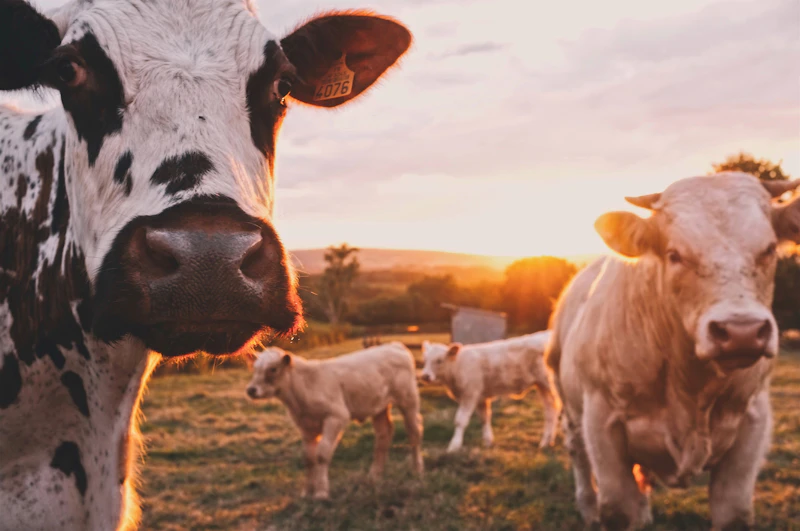
The Landscape of British Farming
Agriculture utilizes over 70% of the UK’s total land area, providing essential stewardship over rural ecosystems and sustainable food production. From East Anglia’s cereal cultivation to upland grazing systems in West Britain, regional specialization remains a defining characteristic.
Modern farming practices prioritize long-term soil structure, biodiversity recovery, and advanced monitoring systems to maintain ecological balance while securing national supply chain stability.
Key Regional Sectors
Core agricultural domains shaping UK rural land management.
Arable & Crop Cultivation
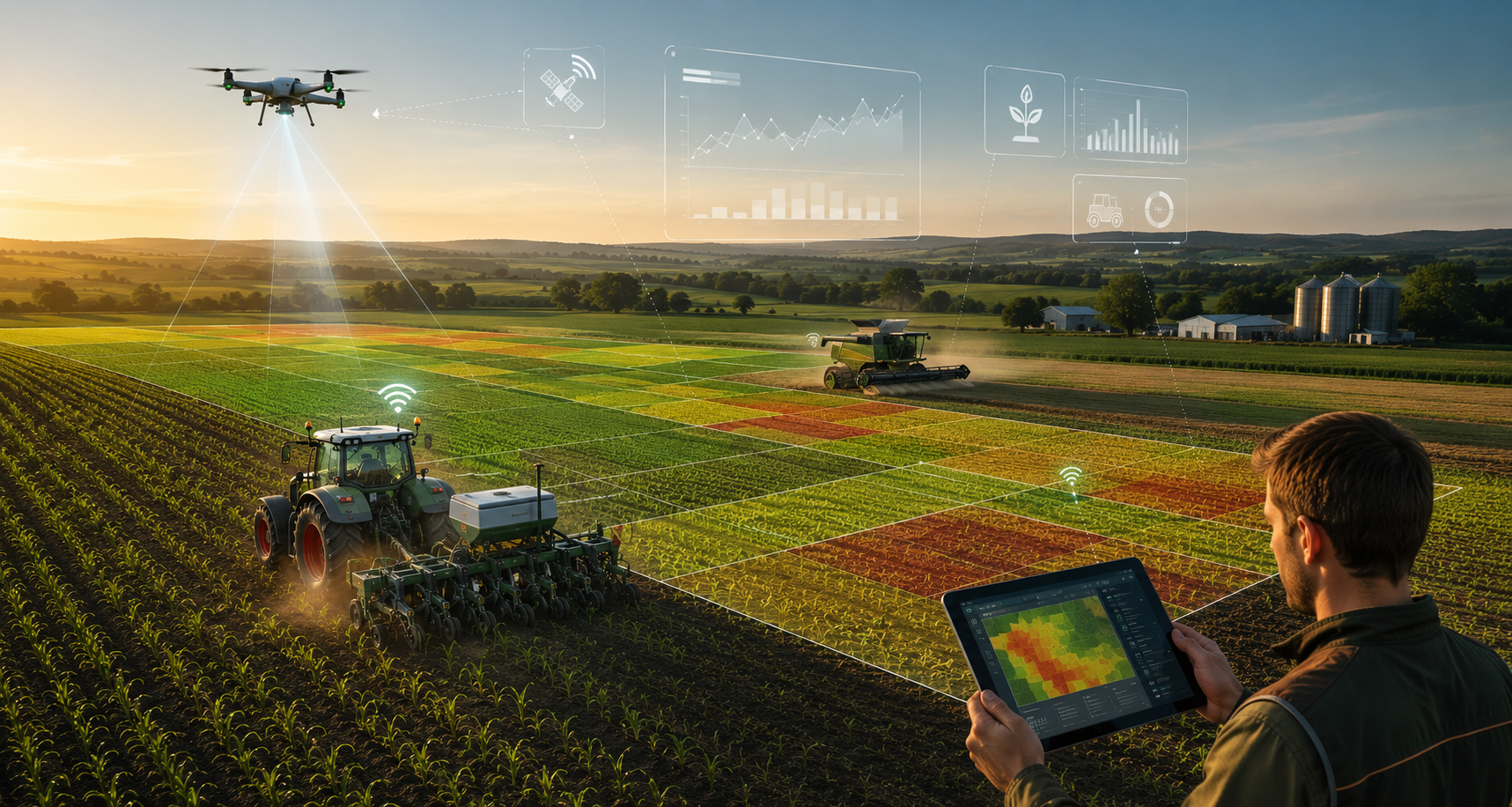
Widespread across Eastern England and the Midlands, focusing on wheat, barley, and oilseeds managed through precision soil mapping and integrated pest management.

Pasture & Livestock Systems
Prevalent in Wales, Scotland, and Western English counties, highlighting rotational grazing, high welfare standards, and upland habitat preservation.

Agri-Tech & Vertical Agriculture
Advancing rapidly in controlled environment agriculture (CEA), autonomous field machinery, and crop monitoring telemetry developed by UK research institutions.
Environmental Initiatives & Technology
Key focus areas driving modern UK land stewardship.
Soil Health Monitoring
Implementation of organic matter testing, cover cropping, and reduced-tillage methods to enhance natural soil fertility and water retention capabilities.
Net-Zero Farming Practices
Adoption of renewable energy micro-generation, electric field equipment, and habitat restoration to minimize operational carbon footprints.
Resource Efficiency
Utilization of GPS-guided precision application for water and crop nutrients, significantly reducing agricultural runoff and environmental impact.
Industry Professional Insights
Feedback from agricultural researchers, agronomists, and farm managers.
"The analysis provides a comprehensive overview of crop rotation adjustments and regenerative soil practices implemented in Cambridgeshire."

"A great educational resource for understanding welfare standards and upland pasture ecology across Northern England and Scotland."

"Extremely informative breakdown of sensor technology and vertical farming adoption within controlled climate facilities."

Frequently Asked Questions
Common questions regarding UK land management and sector research.
What are the main goals of UK agricultural sustainability?
Efforts focus on restoring natural soil biology, improving water quality, supporting native biodiversity, and reducing overall greenhouse gas emissions.
How is precision agriculture used in crop production?
Farmers use satellite positioning, soil mapping sensors, and variable-rate machinery to apply seed and nutrients only where needed, reducing waste.
What role do cover crops play in land management?
Cover crops protect soil from erosion during off-seasons, improve nitrogen fixation naturally, and increase soil organic matter for future primary crops.
Request Technical Sector Report
Complete the form below to receive regional agronomical research summaries and sector whitepapers.